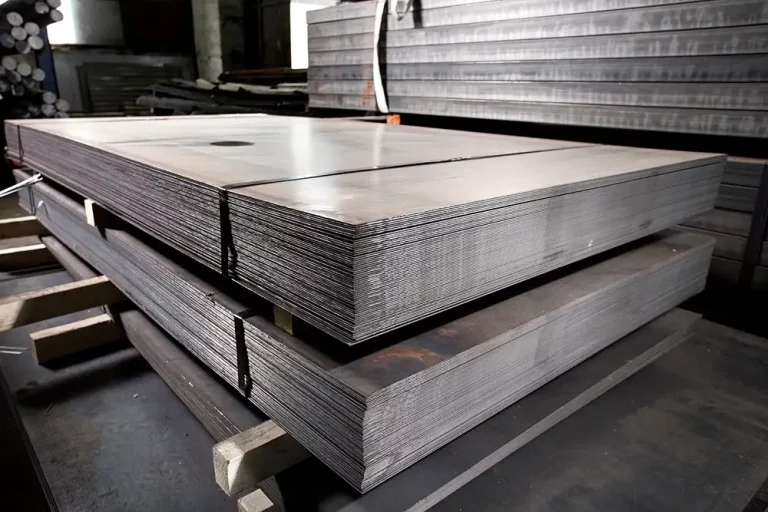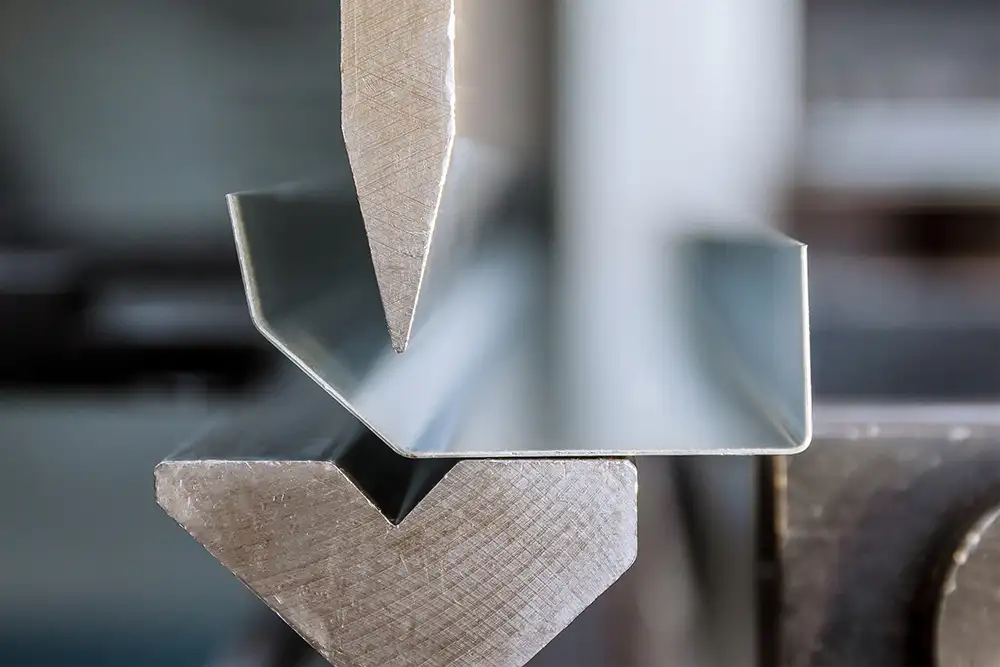
Metal fabrication is vital in the healthcare industry, creating essential medical devices, equipment, and infrastructure. It ensures high-quality, durable, and sterilisable components for equipment such as diagnostic machines. Hospitals and clinics benefit from metal-fabricated items like surgical tables, which require precision and durability.
In research labs, custom metal parts are crucial for equipment like centrifuges and autoclaves, meeting exact specifications for safety and accuracy. Additionally, it provides robust storage solutions for sterilisation, ensuring clean and organised healthcare environments.
Custom metal fabrication is also used for creating precise lab equipment and cleanroom fixtures, supporting research and development. Durable and corrosion-resistant materials are essential for maintaining sterile environments and preventing contamination.
Metal fabrication is critical in the defence sector, providing essential components for military applications. It’s used to create vehicle and aircraft components, and specialised components for defence electronics and communication systems, ensuring durability and effectiveness in various environments.
Overall, metal fabrication is indispensable in defence manufacturing, enhancing national security and military capabilities.
Metal fabrication is crucial in the automotive industry, producing key components like body panels, frames, and structural elements, ensuring vehicle strength and durability. Additionally, it supports the production of specialised parts for high-performance and luxury vehicles, enhancing performance and aesthetics.
Smaller components like brackets, mounts, and fasteners are also fabricated to ensure reliable assembly. Overall, metal fabrication provides the precise, durable parts essential for automotive safety, performance, and innovation.
Metal fabrication is essential in industrial systems, serving as the backbone for creating crucial components and structures. Its precision and versatility are pivotal in crafting robust equipment such as conveyors, processing vessels, and storage tanks, ensuring efficiency and reliability in industrial operations.
In industrial facilities, metal fabrication supports the construction of infrastructure elements like platforms, mezzanines, and safety barriers, providing the necessary strength and stability for workers and machinery. Custom metal fabrication also facilitates the development of specialised components for industrial machinery, automation systems, and material handling equipment, enhancing productivity and operational efficiency.
Furthermore, metal fabrication is integral in producing piping systems, ductwork, and ventilation systems, which are vital for maintaining optimal working conditions and regulatory compliance in industrial environments.
Overall, metal fabrication stands as a cornerstone of industrial manufacturing, delivering the advanced components and infrastructure needed to drive productivity, safety, and innovation in various industrial sectors.
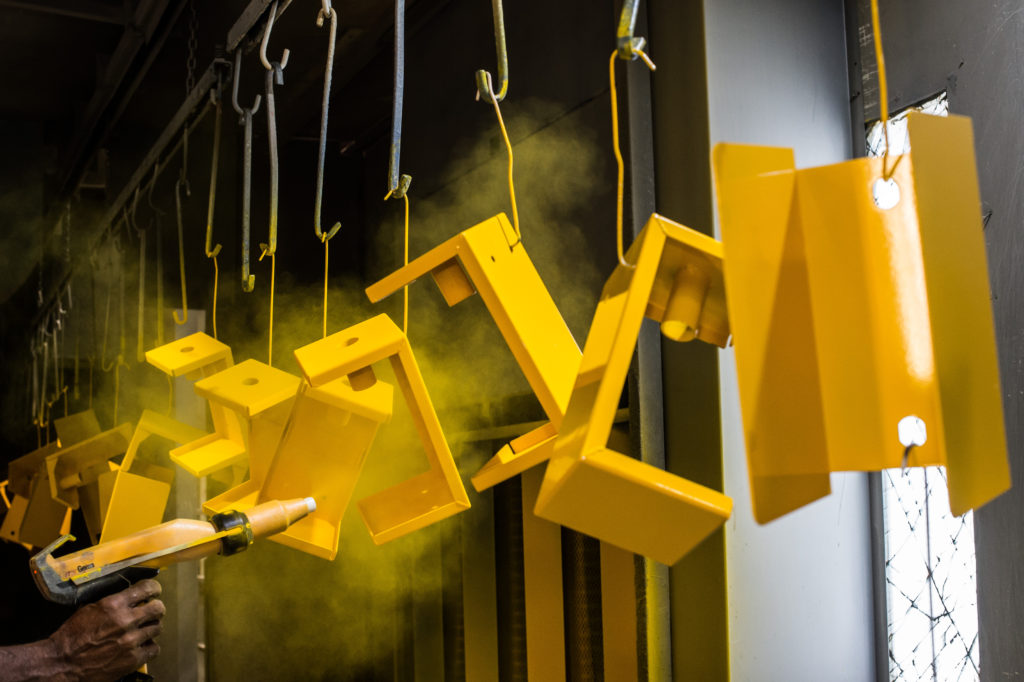
Stainless steel is corrosion-resistant, strong, and easy to clean, used in construction, medical equipment, and kitchen utensils. Mild steel is malleable, ductile, and cost-effective, ideal for construction frameworks, automotive bodies, and pipelines. Aluminium is lightweight, corrosion-resistant, and highly conductive, perfect for aerospace, transportation, construction, packaging, and electronics.